Roasted Cabbage with Keftedes: A Delicious Dish or a Dinner Party Faux Pas?
When planning a dinner party, the goal is always to delight your guests, not to inadvertently clear the room with an overpowering aroma. This delicate balance often leads home cooks down a path of delicious experimentation, sometimes culminating in unexpected culinary dilemmas. Can a seemingly humble ingredient like roasted cabbage, despite its recent surge in popularity and undeniable deliciousness, really be the downfall of an otherwise perfect spread of
keftedes lamb meatballs and warm olive bread? This is the gastronomic tightrope we’re exploring today, delving into the wisdom of tradition versus the allure of modern flavor combinations.
The idea of pairing savory, herb-packed keftedes lamb meatballs with the sweet, caramelized notes of roasted cabbage sounds, on paper, like a match made in culinary heaven. Yet, as many discover, the kitchen is a place where sensory experiences extend far beyond taste. The aroma, particularly when entertaining, can be a silent arbiter of a meal's success, prompting one to question: is roasted cabbage truly a delicious, innovative side, or a dinner party faux pas waiting to happen?
The Allure of Keftedes: A Culinary Masterpiece
Let’s begin with the undisputed star of our hypothetical meal:
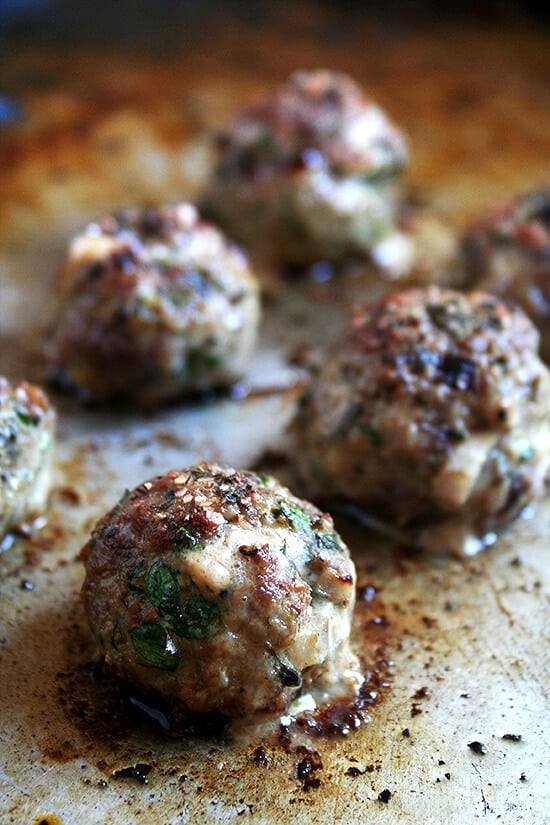
keftedes lamb meatballs. These succulent Greek meatballs are a testament to flavor, texture, and versatility, making them a perennial favorite for good reason. Imagine sinking your teeth into a keftede – you're met first with a satisfyingly crispy exterior, quickly followed by an incredibly tender and juicy interior. This textural harmony is no accident; it's the result of carefully selected ingredients and preparation techniques.
Typically, keftedes are crafted from a blend of ground lamb and often beef or pork, infused with a vibrant medley of fresh herbs like mint and parsley, pungent garlic, and a bright zest of lemon. Warming spices such as coriander, oregano, and cumin contribute to their distinctive, aromatic profile, elevating them far beyond your average meatball. The addition of day-old bread soaked in milk ensures they remain moist and tender as they cook, whether broiled to a crispy finish or lightly fried in olive oil. Often, they’re finished with a light, lemony sauce made from their own flavorful drippings, adding another layer of brightness.
Keftedes are incredibly adaptable. They shine as a tantalizing appetizer, served simply with a squeeze of lemon or alongside creamy tzatziki and warm pita bread as part of a generous mezze platter. They also transition seamlessly into a main course, whether nestled atop a bed of fluffy rice or pasta, tucked into a pita sandwich, or accompanying a crisp Greek salad for a lighter, low-carb option. Their robust flavor and satisfying texture make them a dish that genuinely pleases a crowd, ensuring clean plates and happy guests. For more inspiration on how to serve these versatile delights, explore
Keftedes: From Mezze Platters to Dinner Bowls, Greek Meatball Ideas.
Roasted Cabbage: A Surprisingly Delicious Side
Now, let's turn our attention to the potential companion: roasted cabbage. For decades, cabbage might have been relegated to salads, coleslaws, or boiled preparations. However, modern culinary trends have rightfully rediscovered the magic that occurs when cabbage meets high heat. Roasting transforms this humble cruciferous vegetable into something truly spectacular.
When roasted, the edges of cabbage wedges become beautifully caramelized and slightly crispy, while the interior softens to a tender, almost sweet consistency. The often-maligned sulfurous notes that some associate with boiled cabbage dissipate, replaced by a subtle sweetness and an earthy depth that is incredibly appealing. It’s simple to prepare – often just tossed with olive oil, salt, and pepper – making it an ideal candidate for an easy, healthy, and flavorful side dish. Many home cooks have embraced roasted cabbage, devouring "heads of it in single sittings" due to its surprising deliciousness and ease. It offers a wonderful textural contrast and a sweet counterpoint to the rich, savory keftedes lamb meatballs, making it an intellectually appealing pairing.
The Dinner Party Dilemma: Cabbage's Olfactory Challenge
Here's where the plot thickens, and the perceived "faux pas" enters the conversation. While the taste of roasted cabbage might be universally praised, its aroma during cooking can be divisive, often carrying a strong, distinct scent that lingers. This is the crux of the dinner party dilemma: the "cabbage smell."
In many cultures, including traditional Greek households, certain foods are simply not prepared for "company" due to their potent aromas. As our reference anecdote perfectly illustrates, a mother's "Mmm hmm" can speak volumes, signaling disapproval without a single direct word. The concern isn't about the taste of the roasted cabbage, but rather the potential for its cooking odors to permeate the home, overshadowing other more "desirable" scents like freshly baked olive bread, crisping layers of fillo dough from tiropitas, or the savory richness of broiling
keftedes lamb meatballs.
The host's anxiety is palpable: "Why add another worry to the list? Why tempt my guests to whisper on their ways home, 'Great party, but boy, what was she simmering on that stove? Cat food?'" This highlights a deeper concern than just personal preference; it touches on social etiquette, the desire to create an utterly flawless and comfortable environment for guests, free from any potential olfactory "distractions." It's a conflict between embracing new flavors and respecting established culinary traditions and perceptions. While a kitchen bustling with the aromas of diverse Greek dishes might seem robust enough to mask a little cabbage, the fear of that singular, potentially offensive smell taking over is enough to send any host back to the drawing board for a safer option, like a classic Greek salad.
Navigating the Culinary Crossroads: Tips for the Modern Host
So, is roasted cabbage with keftedes a delicious dish or a dinner party faux pas? The answer, like many things in cooking, lies in nuance, careful planning, and understanding your audience. Here are some insights and practical tips for hosts navigating similar culinary crossroads:
To Cabbage or Not to Cabbage?
The first step is honest self-assessment and guest consideration.
- Know Your Guests: Are your friends adventurous eaters who appreciate bold flavors and don't mind a "lived-in" kitchen smell, or are they more traditional, sensitive to strong aromas, and accustomed to more conventional sides?
- The Test Run: If you're truly set on roasted cabbage, do a trial run on a non-party day. Cook it exactly as you plan to, and assess the aroma. How long does it linger? Does it genuinely permeate the house, or is it confined to the kitchen? Your own kitchen's ventilation system plays a huge role here.
- Ventilation is Key: If you decide to go ahead, maximize ventilation. Open windows, turn on your range hood to full power, and consider using air purifiers in other rooms.
Strategic Cabbage Serving:
If roasted cabbage remains a strong contender, here’s how to minimize its potential impact:
- Roast Early, Serve Fresh: Roast the cabbage well in advance, perhaps an hour or two before guests arrive. This allows the strongest cooking odors to dissipate. Reheat briefly before serving, or serve it warm/room temperature, as its deliciousness often holds up.
- Flavor Masking/Complementing: Heavily season your roasted cabbage with herbs and spices that complement your keftedes lamb meatballs – think oregano, dill, lemon zest, or even a touch of red pepper flakes. These can add to a complex, inviting aroma profile rather than letting cabbage stand alone.
- Offer Alternatives: Don't make roasted cabbage the *only* vegetable side. Provide a fail-safe option like a fresh Greek salad, steamed green beans with lemon, or a light rice pilaf. This gives guests choice and reduces pressure on the "controversial" dish.
- Small Portions: Serve roasted cabbage in smaller, elegant portions, perhaps mixed with other roasted vegetables, rather than massive wedges that might emphasize its presence.
Embrace the Keftedes & Beyond:
Ultimately, remember the true star. Your
keftedes lamb meatballs are a dish of incredible flavor and broad appeal. They are delicious enough to stand on their own or with classic, beloved accompaniments that carry no olfactory risks. A simple Greek salad, fluffy rice, or even a generous dollop of creamy tzatziki are always safe, delicious bets that will earn you rave reviews without any lingering worries.
Conclusion
The journey from recipe inspiration to a successful dinner party table is often paved with creative ideas, a touch of culinary daring, and occasionally, a dose of maternal wisdom. The dilemma of roasted cabbage with keftedes perfectly encapsulates this tension: the desire to innovate and present exciting flavors versus the age-old concern of social dining etiquette and comfort. While roasted cabbage is undeniably delicious and pairs wonderfully in taste with savory keftedes lamb meatballs, the aroma factor for a dinner party setting is a legitimate consideration. As hosts, our ultimate goal is to create memorable experiences, not just delicious meals. Whether you choose to bravely embrace the roasted cabbage or opt for a traditional, risk-free side, the true essence of Greek hospitality lies in the warmth of your welcome, the love infused into your cooking, and the joy shared around the table. And in that spirit, your
keftedes lamb meatballs will always be a resounding success.